





Overview of Pathway Curriculum
Pathway Director
Arthur Stach Famly Endowed Professor
Director, Nephrology Clinical Research Education
Director, Kidney Heart Service UWMC-ML
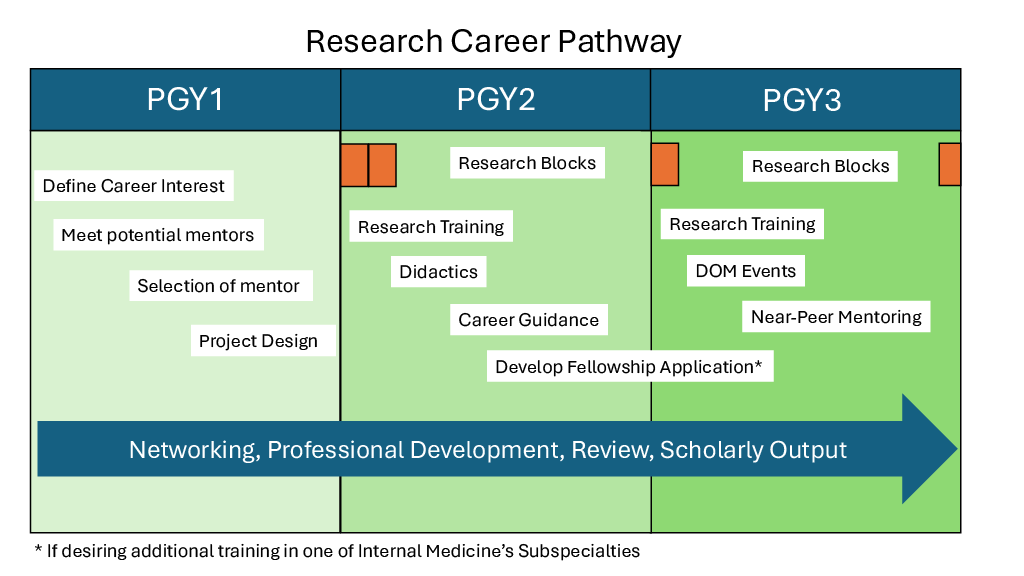
This three-year pathway integrates residents who plan careers as physician-scientists in an environment supported by mentors, sponsors, and departmental commitment in order to:
- Create opportunities to apply and grow scientific thinking
- Sustain commitment to research as a pursuit, profession, and career development pathway
- Increase core skills
- Help participants achieve the next career milestone, which often are subspecialty fellowships that incorporate formal research training
Our Primary Care Track and Categorical Track residents may apply to join the pathway early in their intern year.
Residents planning to follow the ABIM Research Pathway or Global Health Pathway are ineligible.
Pathway Components
| Dedicated time for research | 3.5 guaranteed blocks of research to complete an approved, mentored research project |
|---|---|
| Professional development | Annual professional development activities in areas such as: managing mentor/mentee relations, choosing a lab, setting professional goals, research training pathways, careers beyond academia |
| Core curriculum | Skill building in core areas such as: research ethics, protecting data integrity, study design, scientific communication |
| Works-in-progress | Opportunity for expert and peer feedback on your evolving science |
| Capstone senior elective | An elective that integrates the roles of physician and scientist by focusing on learning how to answer questions that matter |
Additional benefits include being a member of the vibrant community of investigators at University of Washington and building connections to subspecialty divisions that are important for career advancement.
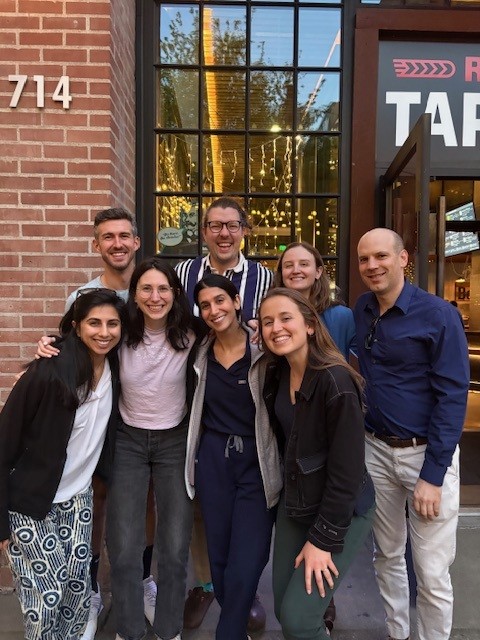
Research Career Pathway residents at a community-building event
Current Residents
| Grad Class of '28 | Grad Class of '27 | Grad Class of '26 |
|---|---|---|
| Anna Hoge, MD | Michael Enich, MD, PhD | Yaacoub Chahine, MD |
| Daniel Huynh, MD | Candace Haghighi, MD, MPH | Ishani Joshi, MD |
| Soraya Shehata, MD, PhD | Claire Quinlan, MD | Megan Maurano, MD, PhD |
| Zak Yaffe, MD, PhD | Katherine Warren, MD, PhD | Astrid Strasik, MD |
Meet the Newest Members of the Pathway
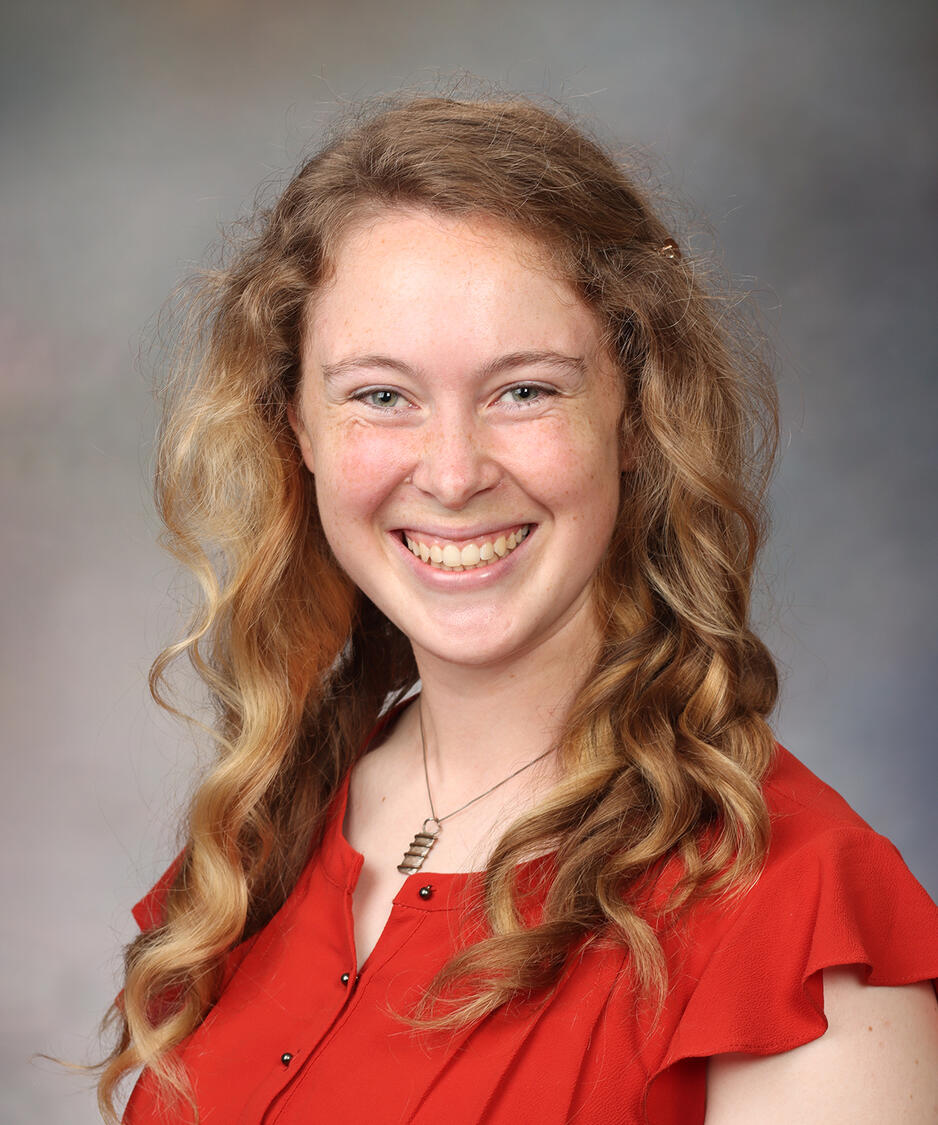
Anna Hoge
Dr. Anna Hoge is a Seattle native with a computational research background who aspires to become a physician-scientist with a focus on the microbiome and genomics. She worked full-time for two years as a bioinformatics analyst at the Fred Hutchinson Cancer Research Center prior to medical school. She has also conducted research at the Allen Institute for Brain Science, the Institute for Systems Biology, Arizona State University's Center for Evolution and Medicine, Arizona's Maricopa County Department of Public Health, and the Mayo Clinic, where she attended medical school.
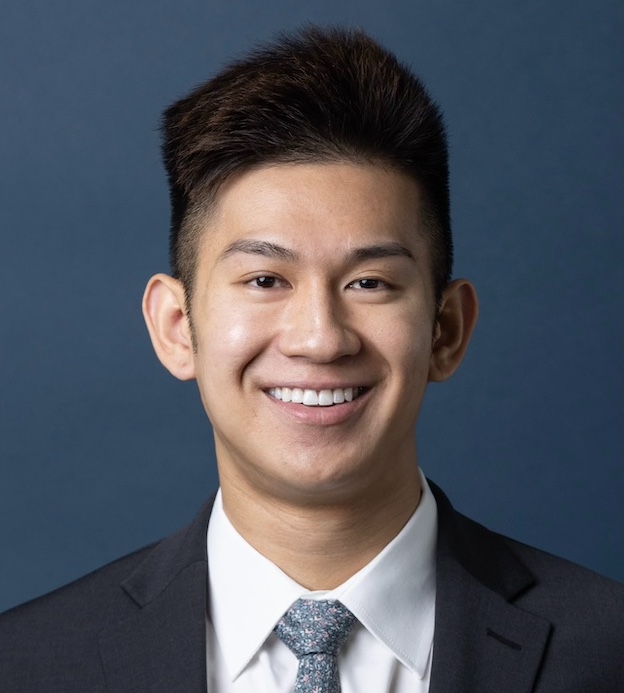
Daniel Huynh
Dr. Huynh began his research career by studying the role of diabetes medications in slowing the progression of chronic liver disease. Dr. Huynh aims to pursue a research-focused career at the intersection of hepatology and health equity, with a particular interest in pre- and post-transplant outcomes among sexual and gender minorities.
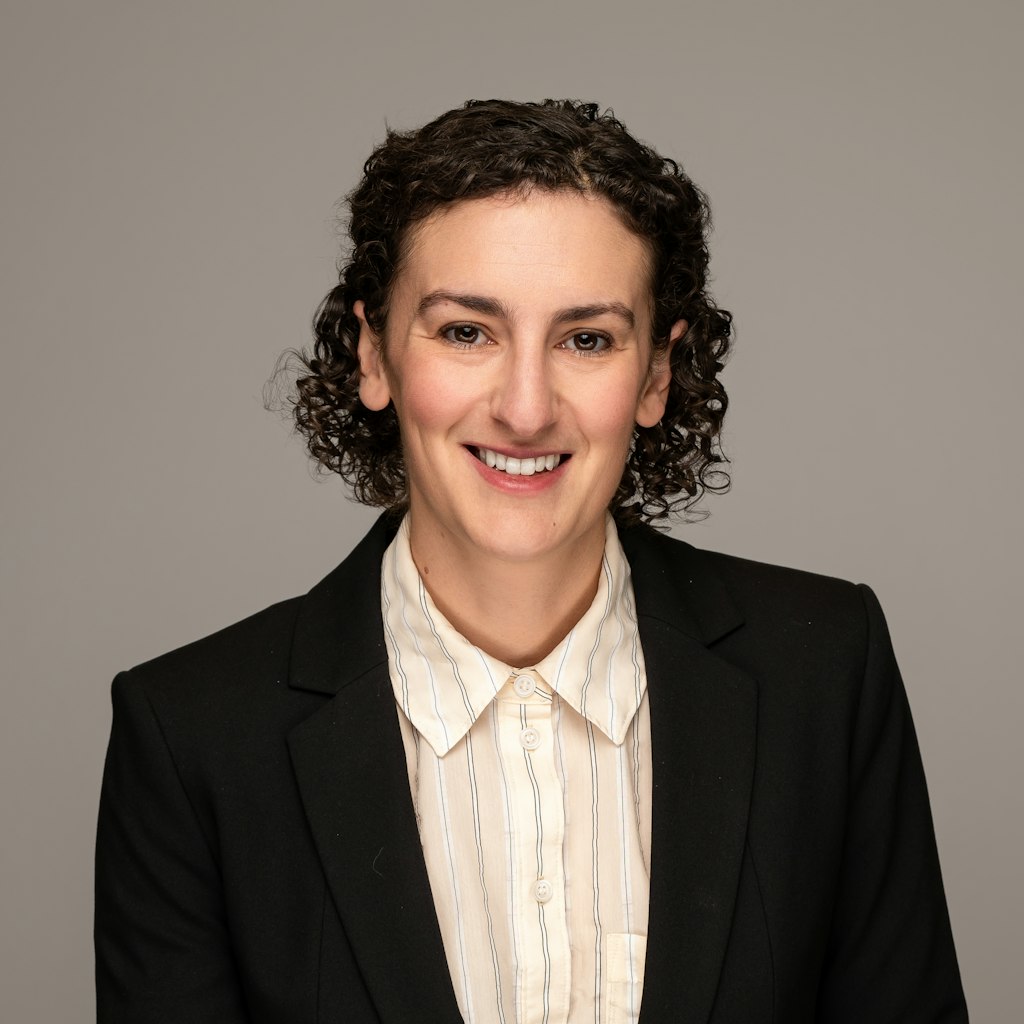
Soraya Shehata
Dr. Shehata was introduced to research as an undergraduate at MIT, and for her graduate work she studied how viruses manipulate host RNA decay to enhance their pathogenicity. Her clinical interest is cardiology, and she is excited to build a career that integrates cardiovascular disease and RNA biology.
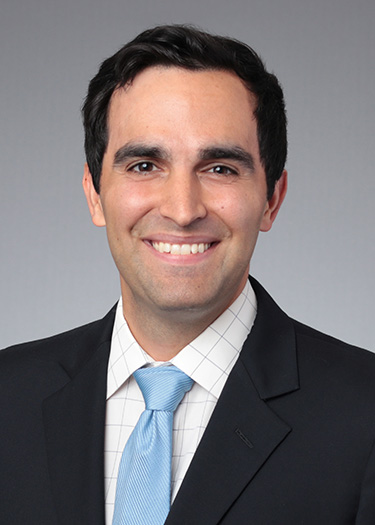
Zak Yaffe
Dr. Yaffe’s research experience began with studying the antibody response to pandemic viruses at NIH. He subsequently completed a PhD as part of the University of Washington MD/PhD program, where he helped to identify correlates of protection from vertical transmission of HIV. Dr. Yaffe plans a research-intensive career focusing on the interface between the immune system and blood cancers, with a specific interest in developing novel immunotherapies to improve disease outcomes.